Each TECHNOSKY LTD track is written as signal received, noise reduced, groove cut. This is how wholesale electronics, retail appliances, refurbished merchandise, computers, nec parts and trade-in programmes share a single mastering method from Rochester.
TRACK 01 · MASTER CUT
Wholesale electronics and household appliances
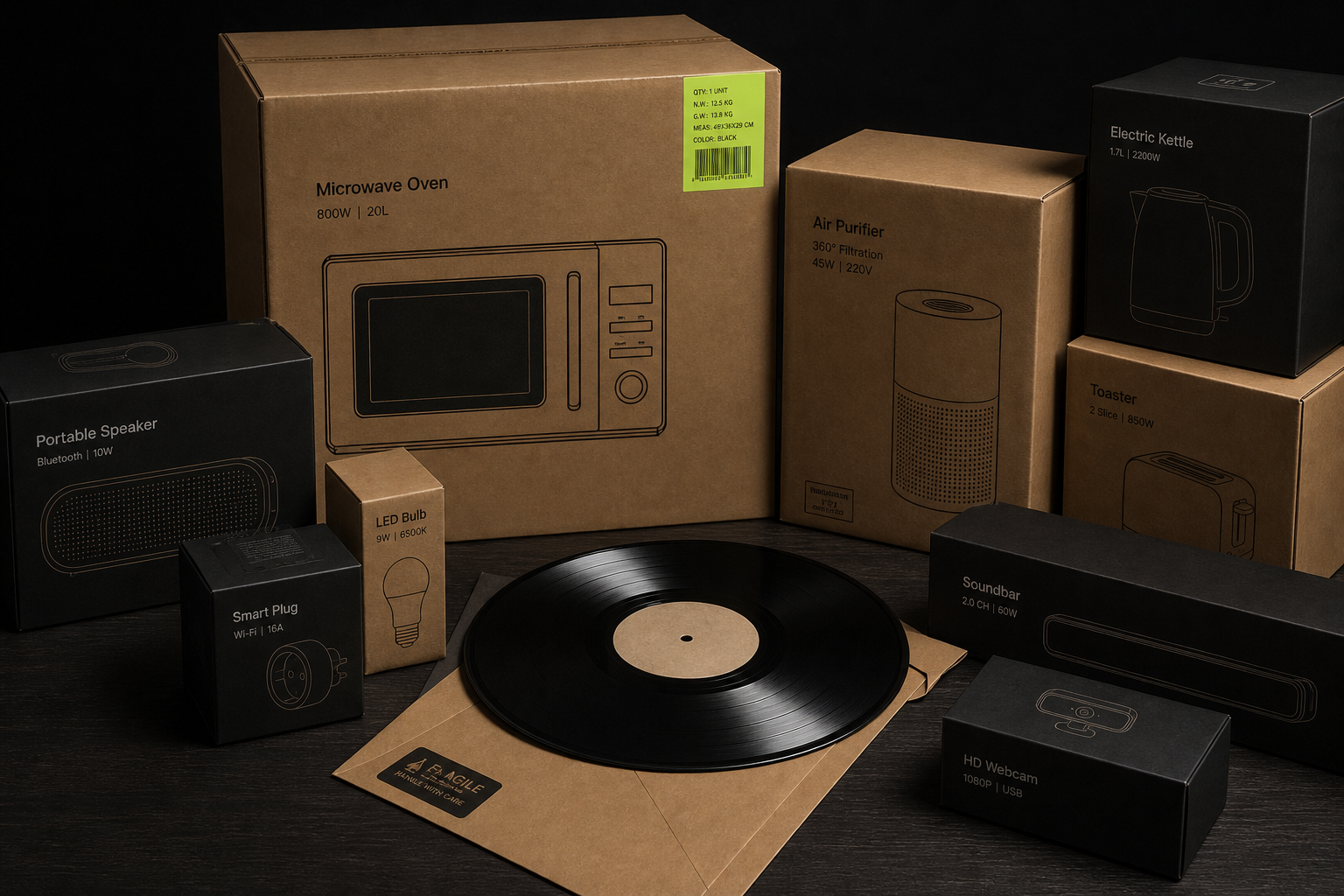
Signal received. Merchant-wholesaler lots of electrical and electronic goods, mixed household appliances, and cartons that arrive with more hope than a packing map.
Noise reduced. Incomplete counts, crushed corners, regional voltage mismatches, and SKUs that cannot be ordered twice.
Groove cut. Calibrated wholesale distribution: countable lines, carton integrity notes, and a repeatable imprint for trade buyers across the United Kingdom.
TRACK 02
Electronics and appliance retail
Signal received. Household demand for small appliances, consumer electronics and replacement units that must work on first playback.
Noise reduced. Spec sheets that hide power draw, accessory gaps, and display models sold as sealed.
Groove cut. Retail stock with a clean centre label: what is in the box, what is covered, what will not survive a second return.
TRACK 03
Refurbished and used consumer electronics
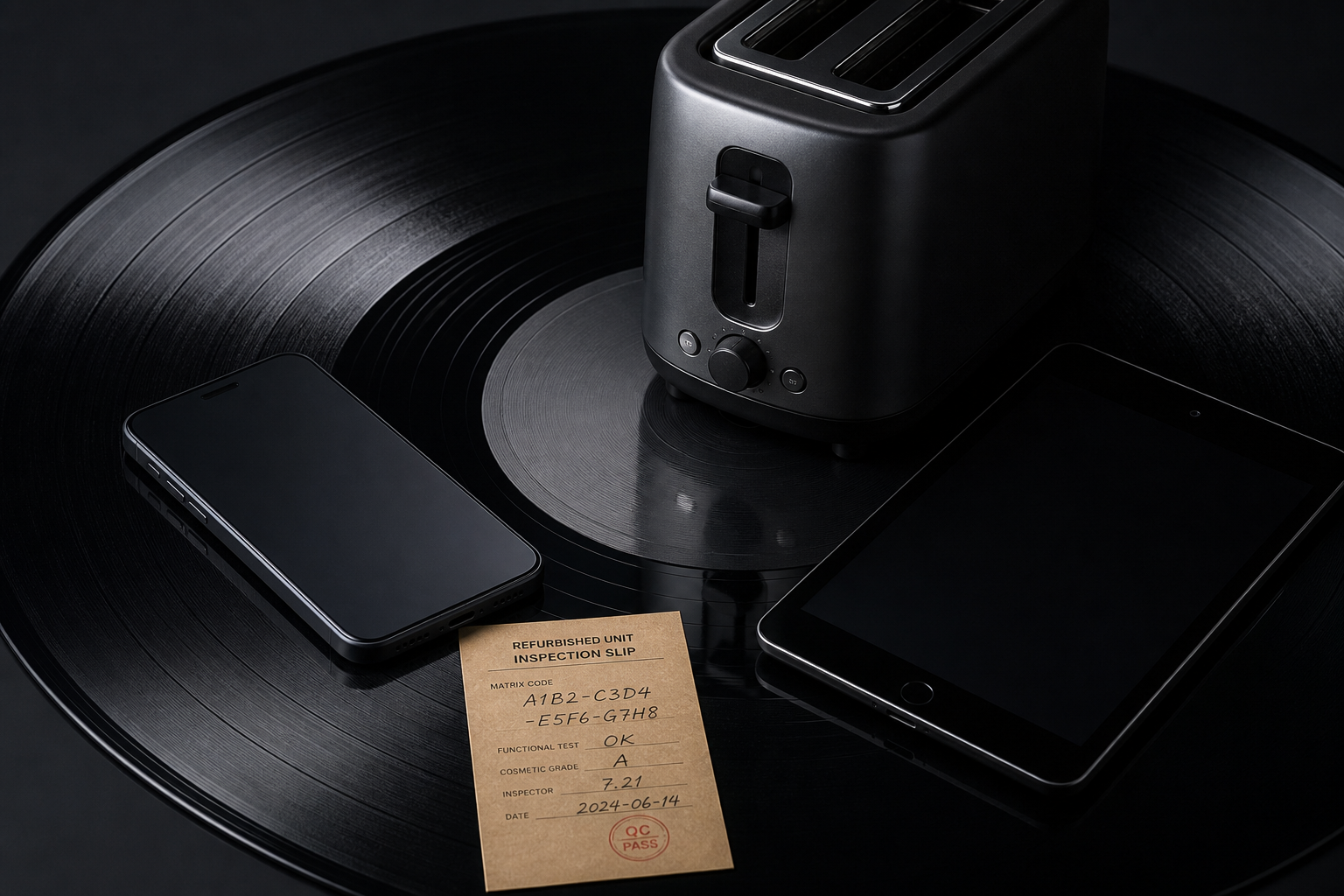
Signal received. Used merchandise, trade-in overflow, and devices described only as working.
Groove cut. A marketplace grade with matrix reference, so a used unit can be trusted without pretending it is new.
TRACK 04
Computer hardware and prepackaged software
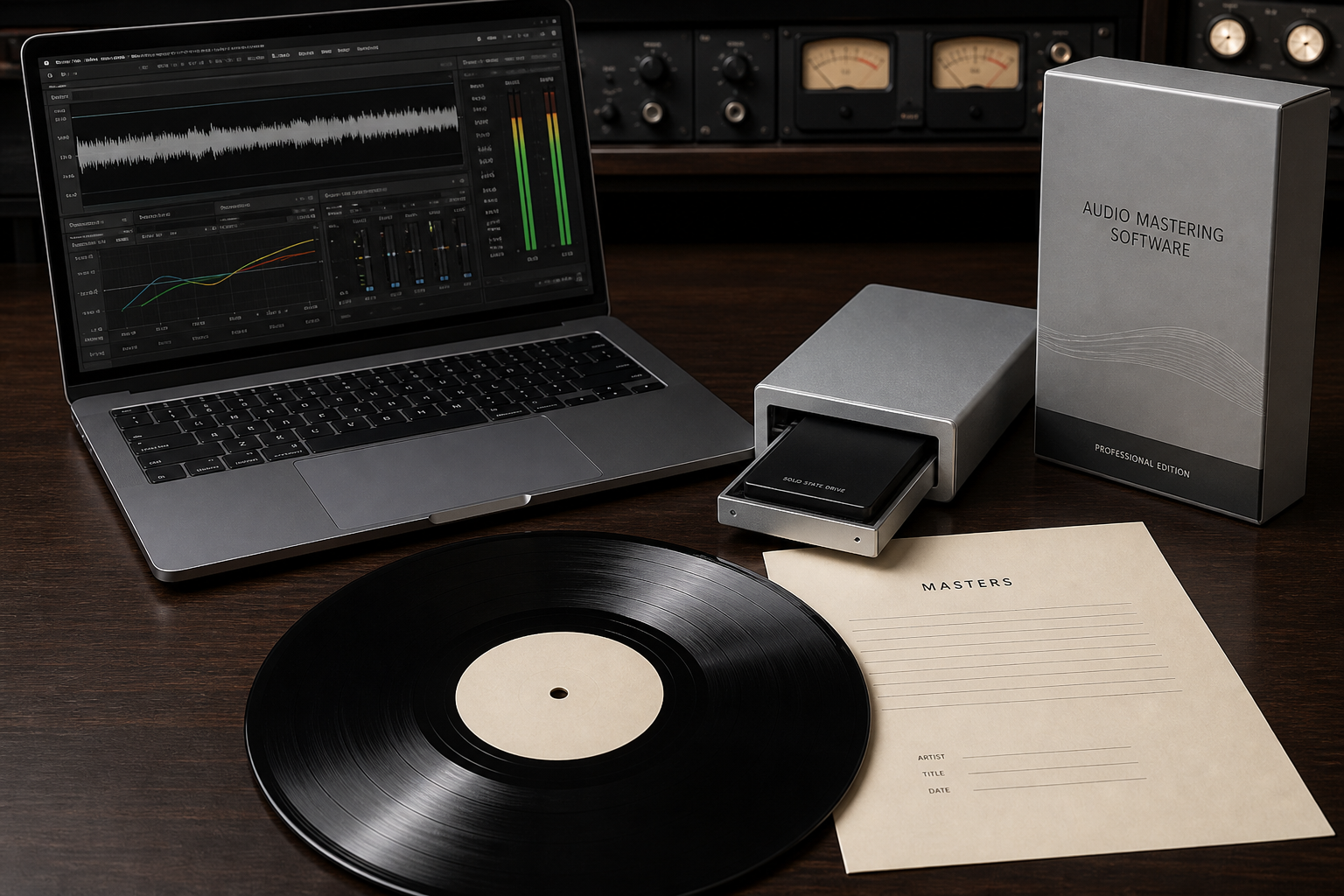
Signal received. Laptops, storage, peripherals and boxed software destined for offices, education and trade counters.
Noise reduced. Licence fog, missing recovery media, and serials that do not match the chassis.
Groove cut. Hardware and software sales with a serial-true handover and a note that still makes sense at audit.
TRACK 05
Electronic parts and equipment, nec
Signal received. Components, connectors, modules and spare parts that do not sit neatly in a consumer catalogue.
Noise reduced. “Assorted” trays, counterfeit hiss, and parts that fit a photograph but not a board.
Groove cut. Sourced trays matched to a bill of materials, sleeved, and marked so a repair bench can replay the order.
TRACK 06
E-waste, trade-in and smart-home install
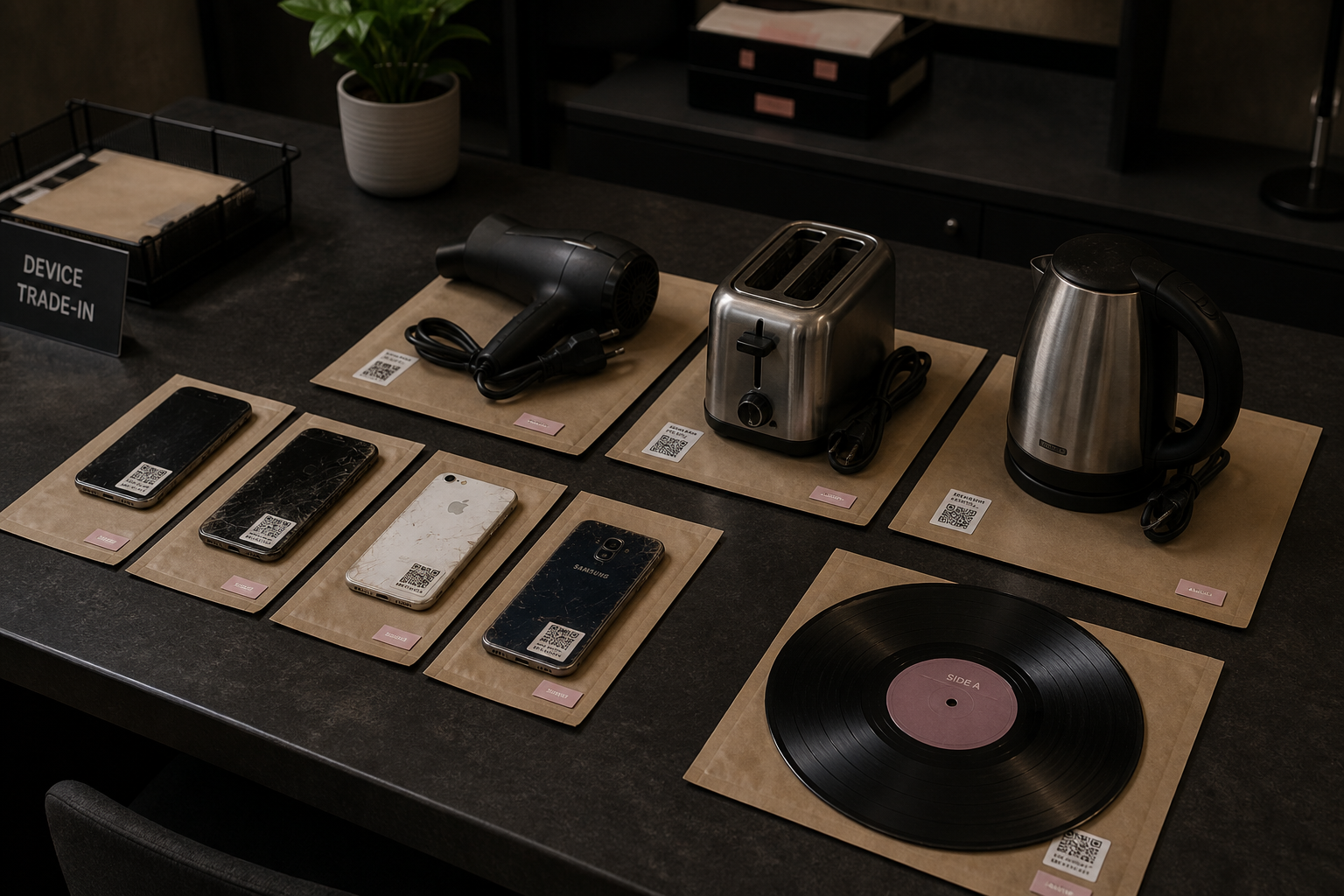
Signal received. End-of-life devices, household trade-ins, and smart-home appliances that need more than a retail bag.
Noise reduced. Data left on drives, landfill leakage, kits that fail because the install was never cut into the sale.
Groove cut. Intake logging, responsible routing, and retail-plus-install for hubs, sensors and small connected appliances.
What is included on a mastered track
A typical engagement includes intake logging, grade language that can be reused, quantity levelling, a filter pass for unsafe or unsellable units, and a press plan for dispatch or install. Wholesale buyers receive carton maps. Refurbished buyers receive matrix slips. Parts buyers receive matching notes. Smart-home clients receive a site cut so the kit is not orphaned at the doorway. None of this is a music service. It is electronics trade held to a groove depth you can inspect.
TECHNOSKY LTD will not press a lot we cannot stand behind. If the inbound signal is too distorted — locked devices without proof of ownership, appliances that fail basic electrical sense, software without licence chain — we stop the lathe and say so. That refusal is part of the method.
Cue questions
No. Side A is wholesale and retail of electrical and electronic goods. Side B is refurbished, used merchandise, parts, trade-in and install. Each side is graded so they are never mixed as if they were the same cut.
Yes. Track 05 is built for electronic parts and equipment not elsewhere classified. Send the chassis, board mark or bill of materials. We source, match and sleeve. We do not guess from a blurry photo alone.
They are received, logged, and either mastered into the refurbished marketplace, harvested for parts, or routed through e-waste handling. Data-bearing units are not resold until the intake note says the cut is clean.
Retail can be cut with an install pass for agreed sites. The kit is not considered pressed until the site constraints — power, network, mounting — are written on the mastering note.